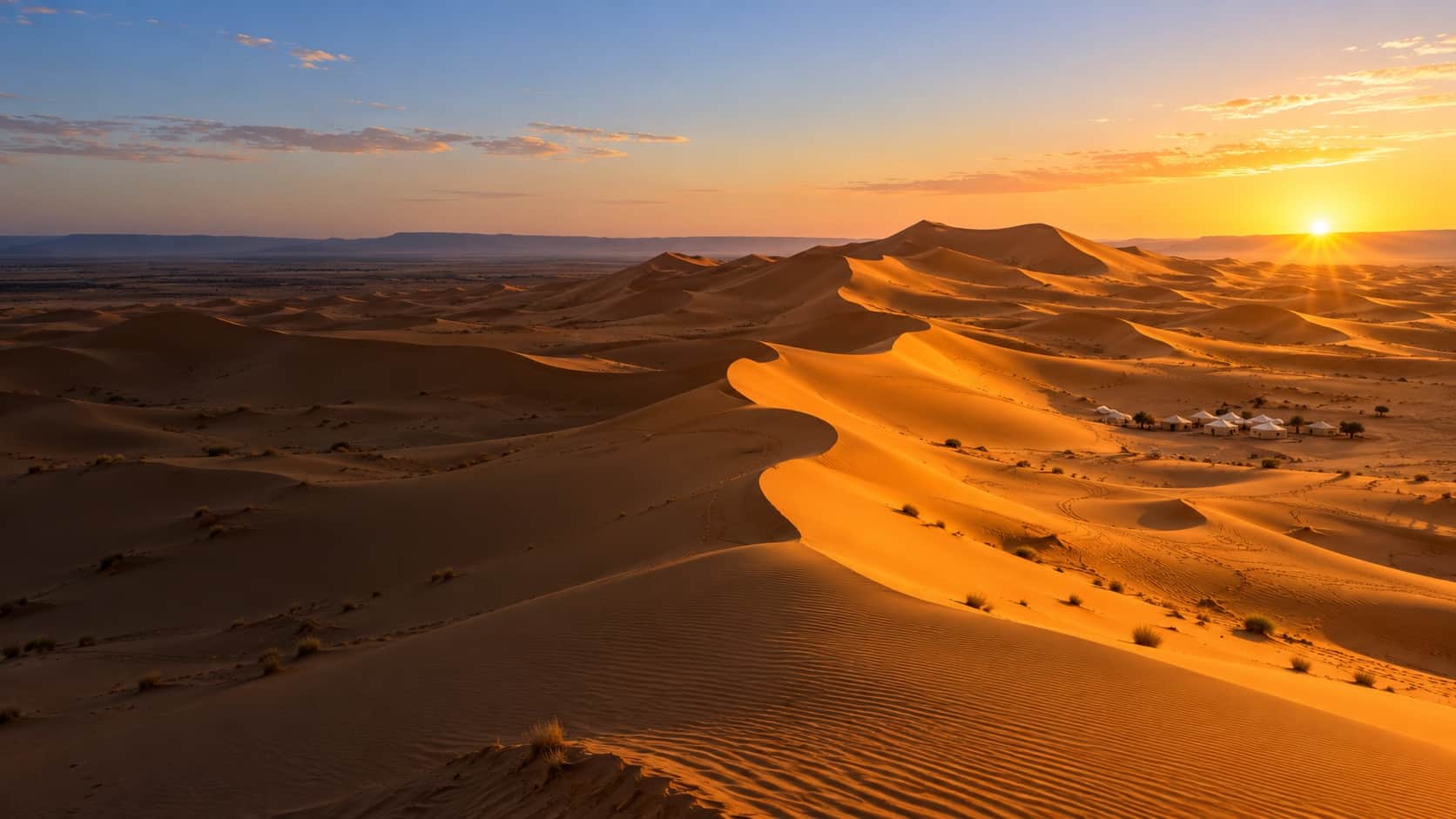
A Marrakech to Merzouga desert tour is a journey through several very different landscapes: the High Atlas, southern valleys, palm oases and finally the dunes of Erg Chebbi. The drive is a substantial part of the trip. Choosing the right number of days matters just as much as choosing a beautiful desert camp.
Our planning recommendation: allow at least three days for a return trip, and choose four when you want more time outside the vehicle. If your next destination is Fes, a one-way desert circuit can make better use of your holiday than returning to Marrakech.
How many days should you allow?
A three-day itinerary suits travelers with limited time who accept an early start and a long return drive. It usually gives you one night in a valley hotel and one night at a desert camp. You see several highlights, but sightseeing stops need to stay realistic.
Four days gives the route more breathing room. You can split the return journey, add a second desert-area night or spend longer in the valleys. Ask which of those options your itinerary actually includes: a four-day label alone does not tell you how the extra time is used.
Merzouga is roughly 560 kilometers from Marrakech by the usual southern route. Treat that as an approximate planning figure, not a promised distance. Expect full road days; mountain conditions, hotel locations, lunch stops and sightseeing all change the schedule. Request a written driving estimate for each day before booking.
A suggested three-day desert itinerary
Day 1 — Marrakech, the High Atlas and Dades Valley
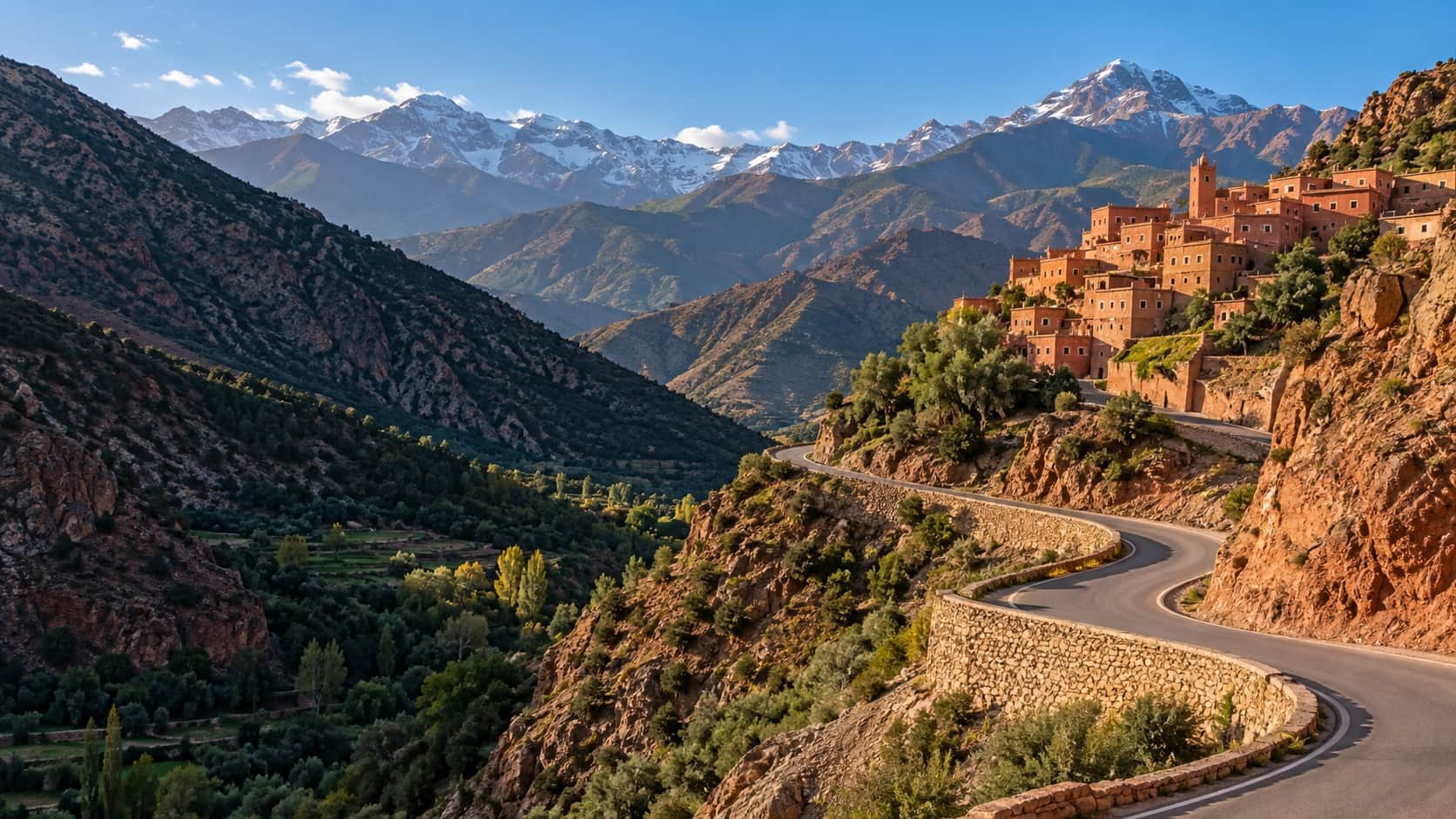
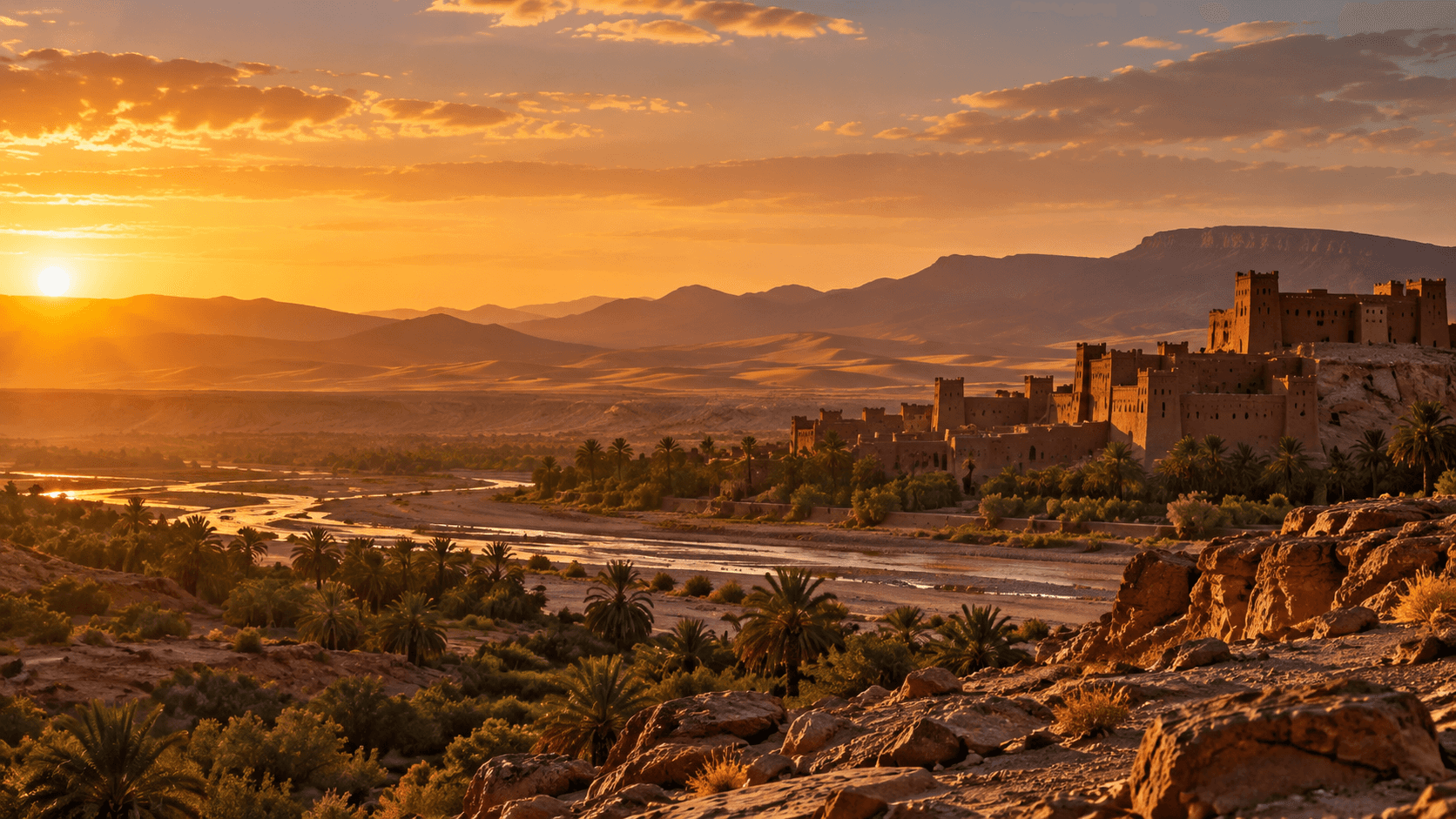
Leave Marrakech early and cross the High Atlas via the Tizi n'Tichka pass. Build in breaks rather than filling every hour with attractions. At Ait Ben Haddou, leave time to walk through the earthen village and appreciate its setting. The ksar is a UNESCO World Heritage site; it deserves more than a quick roadside photograph.
Continue through the Ouarzazate region toward the Dades Valley for the first overnight stop. Check whether your hotel is in the valley or in a nearby town, and whether dinner is included. A terrace overlooking the valley can be more rewarding than adding another rushed visit late in the day.
Day 2 — Todra Gorge and the dunes of Erg Chebbi
Head toward Tinghir and Todra Gorge before continuing east to Merzouga. A short gorge walk offers a welcome break from driving. Arrange lunch and other stops with the desert arrival in mind: you want enough daylight to settle in and enjoy the dunes.
Discuss the transfer to camp in advance. Some arrangements use a camel ride, while others offer a vehicle transfer and a shorter optional ride. Confirm that everyone in your group is comfortable with the activity and ask for an alternative if needed. After sunset, enjoy dinner and an unhurried evening at camp.
Day 3 — Sunrise and the return to Marrakech
An early dune walk is optional, but a quiet morning is worth protecting. Eat breakfast, collect your luggage and begin the return journey. This is the most demanding road day of a typical three-day return tour, so avoid booking a same-evening flight or a tightly timed onward connection.
What changes on a four-day tour?
You can use the additional night to reduce the longest drive or to explore the Merzouga area. If you prefer local encounters and photography, ask about a second desert-area night. If you dislike long stretches in the car, ask to break the journey back in the Ouarzazate or Draa region instead.
The best arrangement depends on your priorities. Tell your planner whether you value walking, architecture, quiet accommodation or time among the dunes. A route with fewer stops and meaningful time at each can be more enjoyable than a packed sightseeing list.
Choosing your desert camp
Camp descriptions vary. Ask for the camp name, its location and recent photographs of the tent category you will book. A private bathroom, hot water, bedding and the layout of communal spaces should be confirmed individually rather than assumed from the word luxury.
- Confirm whether dinner, breakfast and drinking water are included.
- Ask how luggage reaches the camp and what you should carry yourself.
- Check the transfer method and whether a camel ride is optional.
- Ask about heating or cooling arrangements for your travel dates.
- Clarify cancellation terms and weather-related itinerary changes.
What to pack for the road and the camp
Bring a small overnight bag, comfortable closed shoes, sunglasses, sun protection and a layer for the evening. Keep your phone charger, water and anything you need during the drive within reach. A scarf can be useful when the wind picks up; a sealed pouch helps protect electronics from sand.
Keep your luggage modest and ask about space in the vehicle. If you are returning to the same Marrakech hotel, check whether it can store a larger bag. Layers are more versatile than relying on one outfit for warm afternoons and cooler nights.
Questions travelers often ask
Can Merzouga be a day trip from Marrakech?
It is not a sensible sightseeing day trip. The distance leaves too little time for the experience you traveled for. If you only have an afternoon or evening, look at Agafay near Marrakech and understand that it offers a rocky landscape rather than the dunes of Erg Chebbi.
Should I finish in Fes instead?
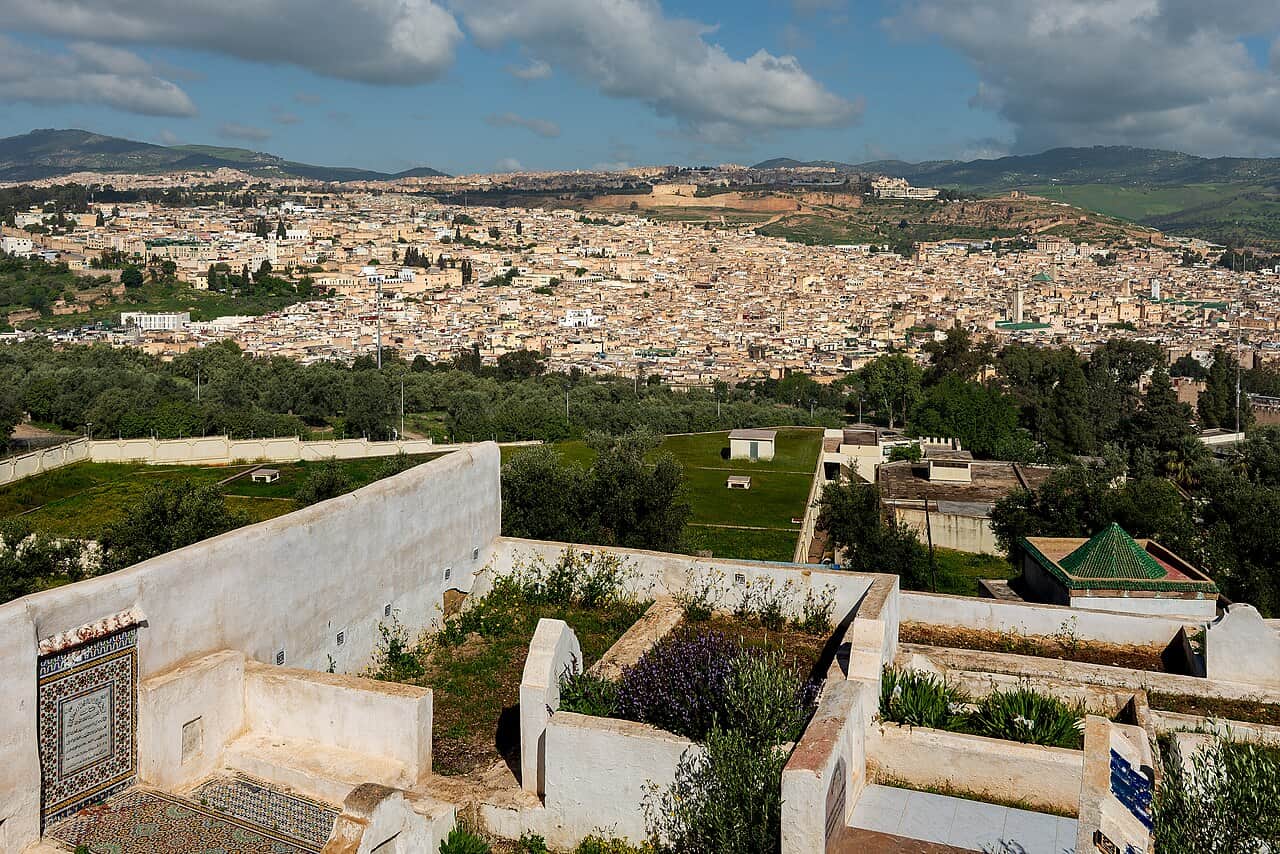
Consider it if Fes is already on your itinerary. Compare a one-way circuit with your planned accommodation and onward transport. Read our Fes to Marrakech desert circuit guide for the reverse route and pacing options.
Is a camel ride compulsory?
That depends on the booking. Ask for a vehicle transfer or another arrangement before confirming your tour; availability and any added cost should be agreed in writing.
Turn the guide into your own route
Browse our private Morocco tours or plan a tailor-made trip with your dates, arrival city and preferred pace. Use this itinerary as a starting point, then confirm accommodation, transfers and inclusions for your actual departure.
For destination background, see the Moroccan National Tourist Office's Merzouga guide and UNESCO's Ait-Ben-Haddou listing.